Some places are chosen for what they offer to the eye and some places also keep something underneath.
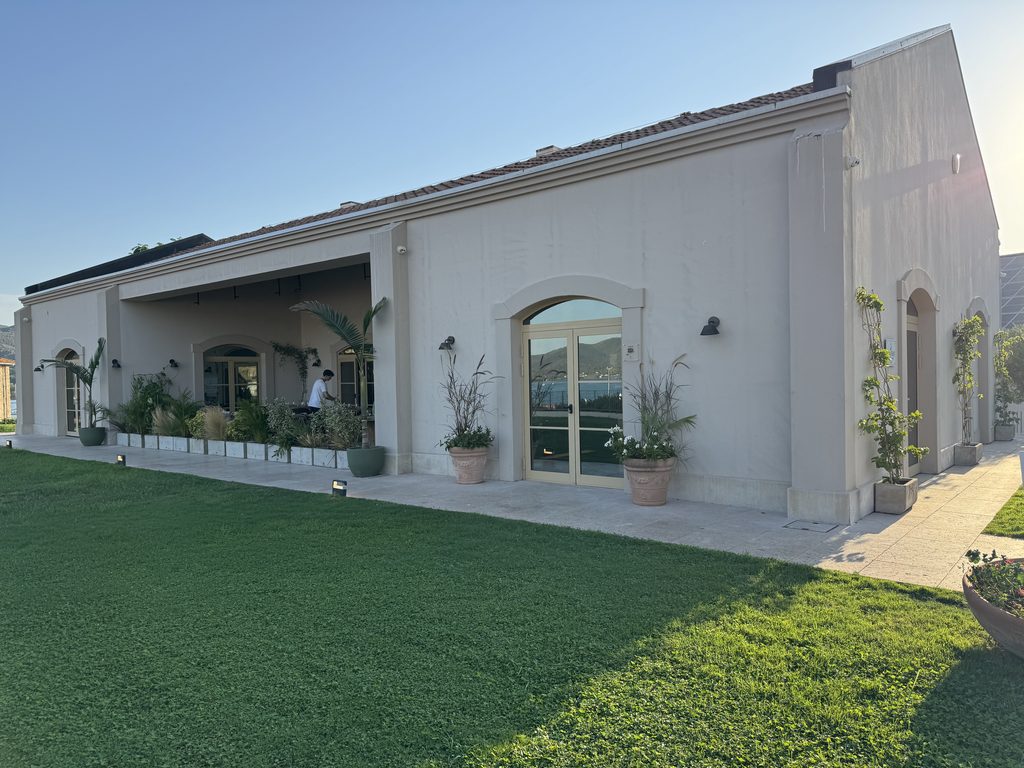
Sentiero stands on Via Calata Italia, in Portoferraio, looking onto the historic centre and directly over the Medici harbour: a privileged position on the gulf and, at the same time, one of the most history-laden spots on the Island of Elba. That history is not on display, it remains layered beneath the rocks and the tunnels still visible from outside.
A restaurant does not usually explain the ground it stands on; an address is taken to be just an address, something that helps people arrive and little more. In Portoferraio, though, the address is the first thing with something to say: five centuries of decisions are stacked beneath the same floor on which the tables are laid, and it is worth starting there, because the rest of dinner happens on top of it.
A harbour designed in the sixteenth century
The area on which the restaurant stands is part of the harbour planned under Cosimo I de’ Medici. It was no improvised anchorage: it was conceived to secure strategic control of the natural inlet and of the island’s main maritime routes, and from that defensive system comes the Forte Saint Cloud, one of the most significant examples of fortified harbour infrastructure in the Mediterranean. Whoever arrives today by ferry enters through the very place where, five centuries ago, it was decided who could enter and who could not.
Napoleon, and an island at the centre
Between 1814 and 1815, during the exile of Napoleon Bonaparte, Portoferraio became a political and military centre of the first order in the Mediterranean. Napoleon summoned to the island the finest military and civil engineers along with French geographers, with the aim of developing a new strategic concept, later applied to Europe’s fortified cities. It is one of the most significant traces of French rule on Elba, and even today tunnels and underpasses can be made out from the outside.
The name of the town
Portoferraio means, literally, iron harbour, and the name does not come from the steelworks of the twentieth century: it points to an ore mined on the island and shipped from here long before. Elba’s iron was already worked in antiquity, and for centuries it was one of the reasons the island mattered, and one of the reasons successive powers fought over it. The blast furnaces of 1901, then, inaugurated nothing: they pushed to an industrial extreme a vocation the place had carried for many centuries. What remains of that trade is the place name, which is the most stubborn way a site has of remembering what it once did.
What can be seen from the table
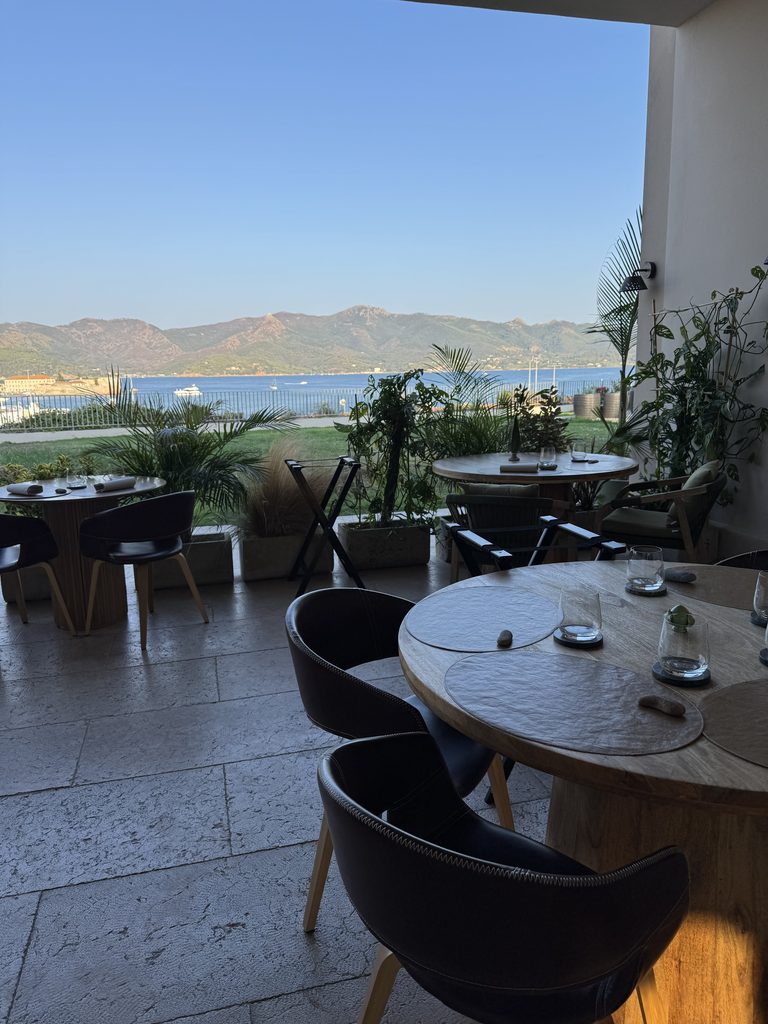
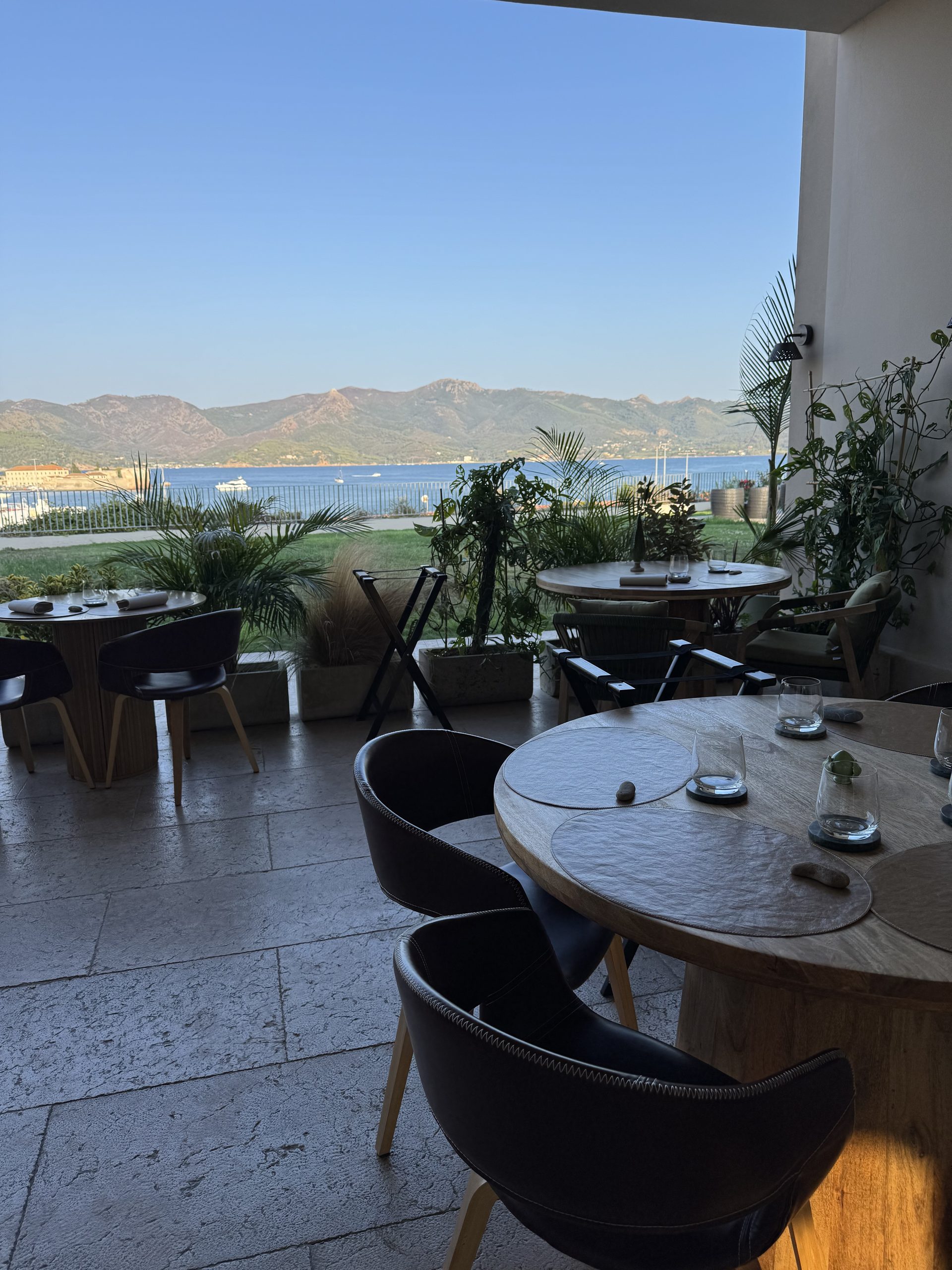
From Sentiero, the light reflects on the water and the rhythm of the boats marks the time; the room opens onto a perspective that is not repeated anywhere else on the island. That is what the guest sees, and underneath lie defence, power, labour, destruction and rebirth, in layers, across five centuries.
A restaurant does not explain a place, but it can pay attention to it and choose a rhythm that matches it: twenty guests per service, without haste, with time enough to look out of the window. Because some tables are simply occupied and some tables are set on top of something.