
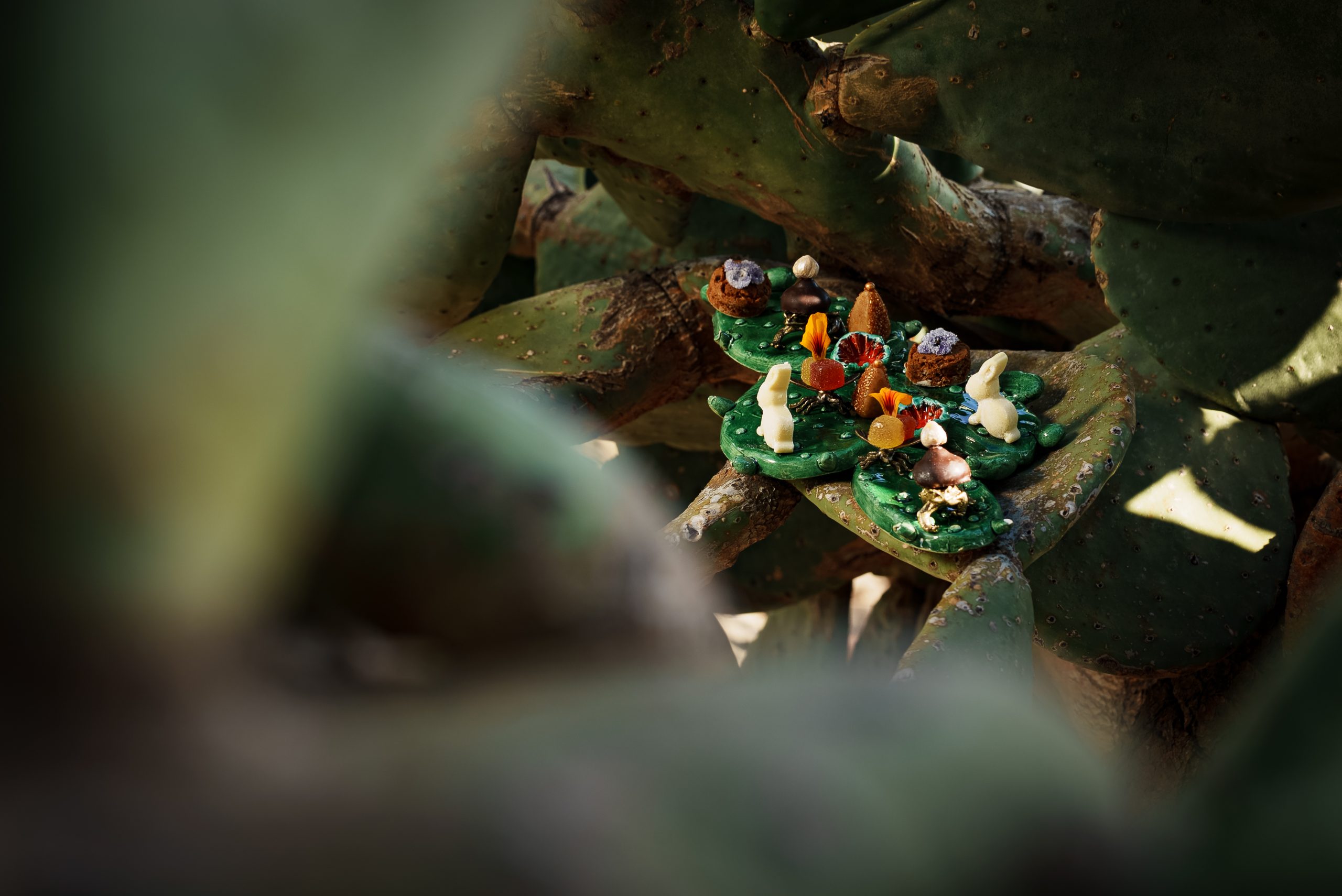
In gastronomy, not everything that is conceived reaches the table in its final form.
Behind every dish that becomes part of a menu there is a path made of trials, adjustments, and decisions that often do not work on the first attempt. Some ideas remain unchanged from the start, others evolve over time, and many disappear without ever making it to service.
This process is part of the daily work at Sentiero.
Trying, Adjusting, Starting Again
The development of a dish rarely follows a straight line.
An initial idea may arise from a product, a technique, or a combination of flavours, but its evolution depends on multiple successive trials. What initially seems clear often changes once it is worked on in the kitchen.
Textures, temperatures, balance between elements, flavour intensity, or the rhythm within the menu are all aspects that are constantly reviewed. Each adjustment modifies the final result and forces a reconsideration of previous decisions.
In this process, error appears naturally.
What Doesn’t Work Also Teaches
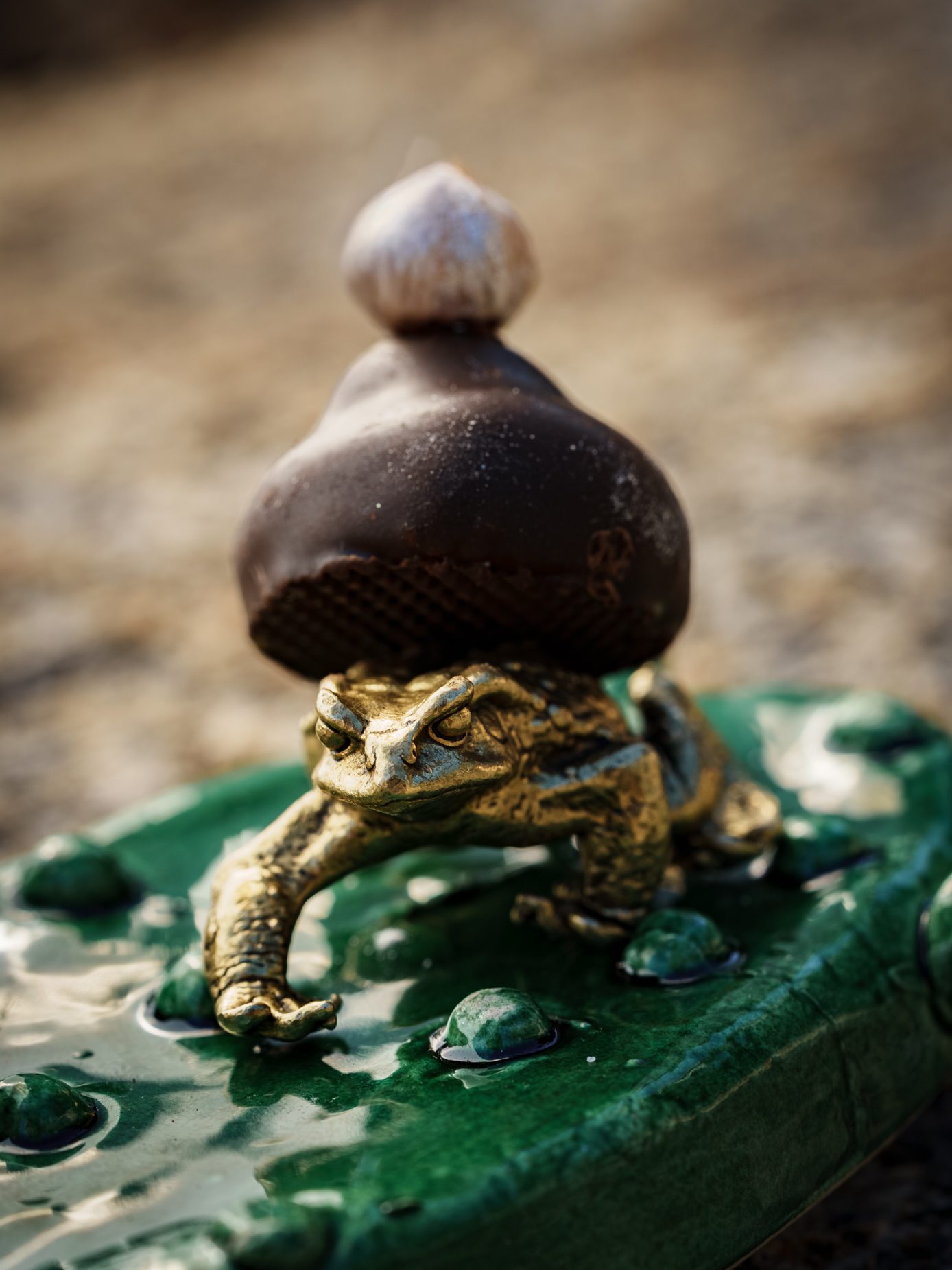
Not every attempt leads to a final version.
Some preparations do not fit within the overall proposal, combinations fail to find the desired balance, or ideas simply do not respond to the initial intention. In these cases, the dish does not move forward, but the process does not stop.
Each trial provides information. It helps to better understand the product, refine a technique, or discard paths that do not align with the identity of the restaurant.
Rather than being an endpoint, error becomes a tool for learning.
The Kitchen as a Process of Selection
Much of the work in a restaurant is not only about creating, but also about deciding what remains and what is left behind.
Building a menu involves a constant process of selection. Not every idea can be part of the final offering, even if it has value on its own. It must fit within a broader experience, maintain balance, and respond to a coherent culinary direction.
This process of refinement is continuous. Sometimes it happens before service, other times even during the season, when a dish evolves or is replaced.
The Importance of Repetition
Repetition is an essential part of cooking.
Preparing something again and again allows for greater clarity. What initially seemed correct may reveal new nuances over time. Repetition not only consolidates technique, it also helps identify what can be improved.
In this context, error stops being an interruption and becomes part of the natural rhythm of the work.
A Constantly Evolving Process
The cuisine at Sentiero is built through successive decisions refined over time.
Each dish is the result of a process where intuition, technique, and continuous review coexist. Some ideas remain stable from the beginning, others change several times before reaching the table, and many are left behind along the way.
All of this belongs to the same way of working.
Because in gastronomy, as in any creative process, moving forward also means making mistakes, correcting, and trying again until the right balance is found.


