
The Island of Elba has always had a highly recognisable gastronomic identity. Its cuisine is closely linked to the sea, local produce and recipes passed down through generations, connected to the rhythm of the island and to what each season brings.
For a long time, eating on Elba meant approaching that tradition: familiar dishes, direct flavours and a way of understanding cuisine firmly rooted in the territory.
In recent years, however, this landscape has begun to expand. The traditional base remains essential, while new proposals increasingly interpret gastronomy through a more contemporary perspective.
A traditional cuisine with clear roots
Elban gastronomy is built around simple, local ingredients connected to the surroundings. Fish and seafood play a central role, alongside inland products that complete a balanced cuisine tied to local tradition.
Dishes such as gurguglione, boiled or marinated octopus, and stoccafisso alla riese are part of this culinary identity that remains present on the island.
More humble preparations, such as acquacotta elbana, also stand out, together with the traditional use of wild herbs and seasonal vegetables.
It is a direct cuisine, based on respect for the product and on the continuity of recipes passed down through generations.
The type of dining that has defined the island
For years, Elba’s gastronomic offer has been shaped by trattorias, family-run restaurants and places centred on traditional cuisine.
These are spaces where the continuity of recipes, local produce and simple service have formed part of the experience. A type of dining closely linked to the environment, to the island’s rhythm and to a warm way of understanding the table.
This model continues to play a fundamental role on Elba. It forms part of its identity and remains one of the most authentic ways to approach the island.
At the same time, new proposals have begun to broaden this gastronomic reading. More open and creative kitchens are emerging, where the product remains the starting point, while technique, presentation and menu construction take on new relevance.

Product and seasonality as a starting point
On an island like Elba, seasonality is part of daily life and naturally shapes gastronomy.
The available product changes throughout the year and defines the way of cooking. This element, always present in traditional cuisine, has also become a creative tool for more contemporary proposals.
The result is a gastronomy in motion, able to adapt to what the territory offers at any given moment. A cuisine that does not move away from its roots, but interprets them through new sensibilities.
An island expanding its gastronomic identity
Today, the Island of Elba is in a particularly interesting moment. It maintains a solid gastronomic base, connected to its history, while also opening itself to new forms of interpretation.
The coexistence of tradition and contemporaneity is creating a more diverse landscape. Visitors can encounter different ways of understanding cuisine within the same territory.
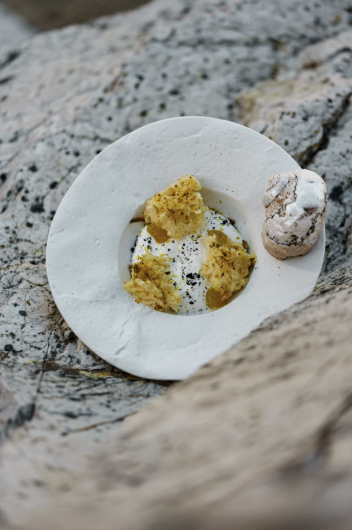
In this context, Sentiero brings a new perspective to the island. Its proposal is based on free and personal cuisine, rooted in respect for the raw ingredient and guided by an open vision of technique, composition and the gastronomic experience.
Sentiero becomes part of an evolution that adds a different layer to Elba’s culinary offer.
An evolution that continues
The gastronomy of the Island of Elba has gradually gained complexity over time. New approaches now coexist with tradition and contribute to a broader vision of its culinary identity.
Within this shared space, the island expands its gastronomic proposal through different nuances, styles and sensibilities.
In this process, Sentiero stands as part of a new stage: a contemporary, free and territory-connected proposal that enters into dialogue with the island through respect, creativity and the search for its own identity.


